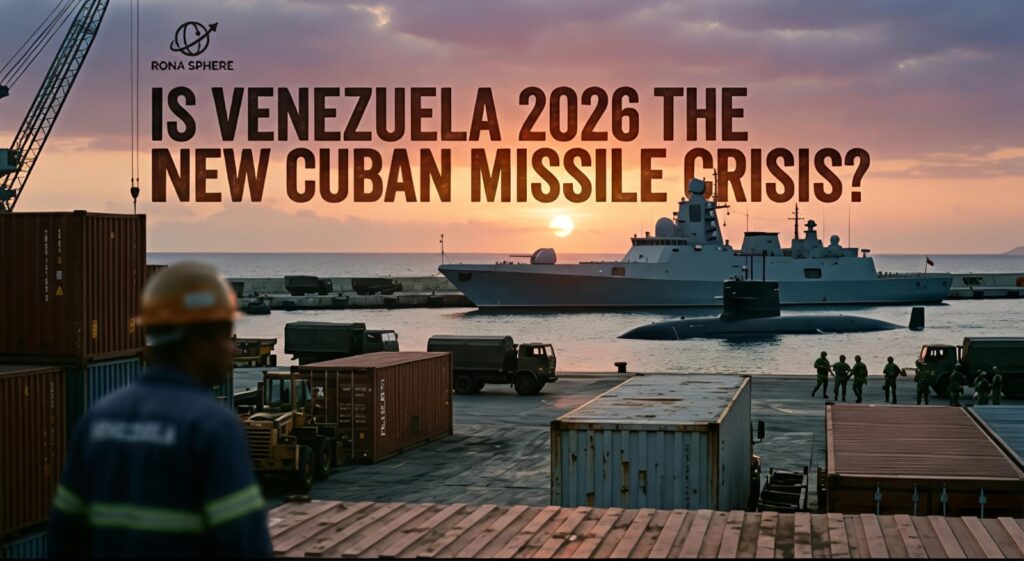
Geopolitical stress is rising fast in 2026. Consequently, the world now watches the Havana-Caracas Axis with fear. While many people remember the 1962 crisis, the current US intervention in Venezuela is much more complex. Specifically, this is not just a small regional fight. Instead, it is 2026’s real “Cuban Missile Crisis”.
1. What is the Havana-Caracas Axis?
To understand this crisis, you must see how these two nations work together. The Havana-Caracas Axis is a team that acts like one body. Furthermore, Cuba provides the spies and guards. Meanwhile, Venezuela provides the oil and money. This partnership is the core of the problem.
How the Team Works
Furthermore, this bond started a long time ago. Leaders in both lands wanted to stop US power in the Americas. Since then, the Havana-Caracas Axis has become very strong and hard to break.
Spies: Cuban agents protect the leaders in Caracas from their own people.
Fuel: Venezuela sends cheap oil to help Cuba run its lights and factories.
Votes: Both countries vote together in the UN to stop US plans.
Because they are so close, a US intervention in Venezuela hurts Cuba too. Therefore, the risk of a big war grows every day. Consequently, the world feels the same dread it felt sixty years ago.
2. Why 2026 is the Danger Year
You might ask why the US intervention in Venezuela is happening now. In 2026, the world needs more oil than ever. Specifically, gas prices are too high for most families. Meanwhile, the Havana-Caracas Axis has invited Russia and China to help them build bases.
New Kinds of Weapons
In 1962, the threat was big nuclear bombs. However, in 2026, the weapons are different but just as scary. They use computer hacks and high-tech cameras to spy on the US. Consequently, the US intervention in Venezuela aims to stop these new threats before they grow. This is why many experts call it 2026’s real “Cuban Missile Crisis”.
3. Comparing 1962 to 2026
When you look at history, the facts are clear. In 1962, the world almost ended because of missiles in Cuba. Today, the Havana-Caracas Axis creates the same kind of fear for the US government.
Common Links:
Close Neighbors: Both countries are very close to US shores, making them easy places to launch attacks.
Foreign Friends: The Havana-Caracas Axis gets help from far-away enemies who want to hurt the US.
Big Threats: Leaders are using scary words again to talk about war.
In contrast to the old days, we are all online now. Therefore, a fight in the Havana-Caracas Axis can break the internet. Furthermore, it could stop trade for the whole world.
4. Money Wars and the Axis
Money is a big part of this global story. The Havana-Caracas Axis tries to hide its cash from the world. They use secret ships to sell oil on the black market. Nevertheless, the US intervention in Venezuela wants to block these sales to stop the regime.
The Power of Oil
Venezuela has more oil than any other place on Earth. Naturally, the US intervention in Venezuela looks like a fight for fuel. However, it is also about safety. The US does not want the Havana-Caracas Axis to use oil money to buy weapons. Consequently, the economic pressure is part of the strategy.
5. How the Intervention Changes the World
If the US moves in, everything changes for everyone. An active US intervention in Venezuela shows that the US is tired of waiting for change. This move is very risky for the soldiers and the citizens. Furthermore, it makes every neighbor in South America choose a side.
Big Risks:
Refugees: Many people might run to the US border for safety during the fight.
Street Fighting: The Havana-Caracas Axis has armed groups in the cities ready to fight back.
Web Attacks: Enemies might try to shut down US power grids or banks.
Even so, Washington thinks the Havana-Caracas Axis is too dangerous to ignore. They believe they must act now to save the future.
6. High Tech in the Conflict
We must look at how robots and AI change the game in 2026. The Havana-Caracas Axis uses drones to watch the Caribbean Sea. Consequently, the US intervention in Venezuela uses “invisible” tech to fight back and jam signals.
The Digital Wall
In 1962, US ships blocked other ships with wood and steel. In 2026, the US uses code to block the Havana-Caracas Axis. This is the first step of the US intervention in Venezuela. It keeps the Axis from talking to its allies in Russia. Therefore, it isolates the regime.
7. How You Can Stay Safe
You need to be ready for the effects of this fight. The US intervention in Venezuela will change prices for everyone, not just those in the war.
What to Do:
Save Fuel: Expect gas prices to go up during the Havana-Caracas Axis crisis.
Read the News: Watch what the Havana-Caracas Axis does next to stay informed.
Check Your Tech: Use strong passwords to stay safe from hacks during the US intervention in Venezuela.
Consequently, you will be ready if the US intervention in Venezuela causes trouble at home. Furthermore, being prepared reduces stress.
8. Why This Axis is Hard to Break
Cuba knows how to survive for a long time without help. Therefore, they taught Venezuela how to stay strong under pressure. This makes the US intervention in Venezuela a very long and hard job.
The Cuban Guards
Cuban officers are inside the Venezuelan army at every level. As a result, the Havana-Caracas Axis acts like one giant shield. When the US hits one, the other hits back. This is why it is truly 2026’s real “Cuban Missile Crisis”. It is a trap that is hard to escape.
9. The Sad Cost of the Standoff
Behind the big maps and politics, people are suffering. The Havana-Caracas Axis has made life hard for millions of families. Consequently, many see the US intervention in Venezuela as a way to help them.
A Divided Land
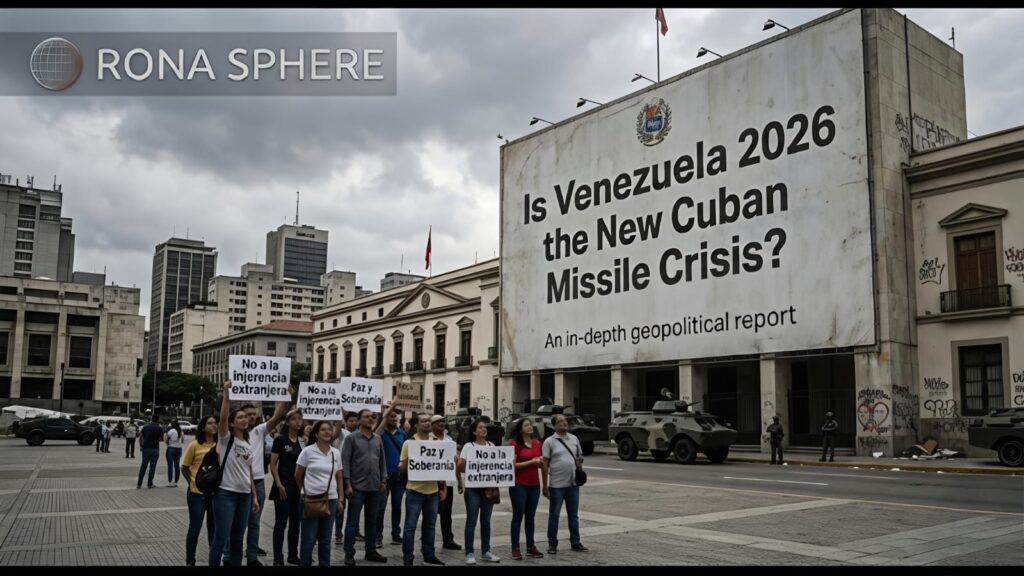
Some people want the US to help them get food and medicine. In contrast, others are afraid of more war and more bombs. The Havana-Caracas Axis uses this fear to stay in power. Therefore, the people are stuck in the middle.
10. Russia and China’s Role
The Havana-Caracas Axis is not alone in this fight. In 2026, big powers like Russia and China are watching every move. Consequently, the US intervention in Venezuela is a test for the whole world to see who is stronger.
A Hidden War
Is this a proxy war? In many ways, yes. By helping the Havana-Caracas Axis, other nations keep the US busy and tired. This is why the US intervention in Venezuela is such a big deal for everyone on Earth. Consequently, the stakes could not be higher.
What the Fight Looks Like
A modern US intervention in Venezuela is not like old movies with big armies. It uses small, fast strikes with high precision. Specifically, it targets the leaders of the Havana-Caracas Axis to stop the orders.
Radio Silence: The US tries to cut off Axis phones and internet.
Special Teams: Small groups try to stop the Havana-Caracas Axis leaders in their homes.
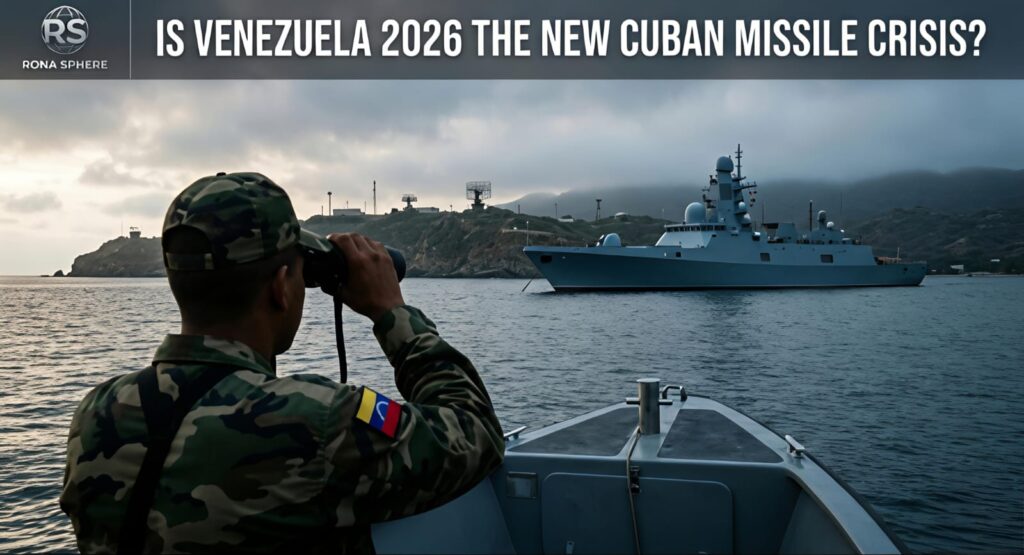
Sea Power: US ships wait near the coast to stop any help from coming in.
Consequently, the goal is to win quickly without a big war. But the Havana-Caracas Axis is ready to fight for a long time.
The Future of Our World
The Havana-Caracas Axis is the biggest test for the US in many years. Whether there is peace or a full US intervention in Venezuela, the map of the world will change. We are watching a high-stakes game of life and death.
Ultimately, the US intervention in Venezuela is about the future of freedom. It asks if the Havana-Caracas Axis can host enemies near the US without a response. Just like in 1962, we want peace. But we must be ready for the Havana-Caracas Axis to fight back with everything they have.
Comparison Table
| Fact | 1962 Crisis | 2026 Crisis |
| Primary Weapon | Nuclear Missiles | Cyber Hacks and Oil |
| Main Group | USSR and Cuba | Havana-Caracas Axis |
| US Action | Naval Blockade | US Intervention in Venezuela |
The Spy Network
The Havana-Caracas Axis is run by spies who know everyone’s secrets. Specifically, Cuban spies are everywhere in the halls of power in Caracas. This makes any US intervention in Venezuela very tricky to plan.
Why it Matters:
Bodyguards: Cubans protect the top leaders from being caught.
Media: The Havana-Caracas Axis controls what people see on TV and read.
Tracking: They track anyone who dislikes the Havana-Caracas Axis using phone data.
Consequently, the US intervention in Venezuela must be very smart to succeed. Furthermore, it must happen fast to avoid a mess.
The Secret Trade
How does the Havana-Caracas Axis get money to pay for its army? They use “ghost ships” that have no names. These ships hide from the US in the middle of the night. Therefore, the US intervention in Venezuela spends a lot of time searching the ocean for them.
Moving Money
Furthermore, they use digital coins to move cash through the internet. This helps the Havana-Caracas Axis pay its soldiers even when banks are closed. Stopping this money is a key part of the US intervention in Venezuela. Without money, the Axis will fail.
What the Law Says
Is a US intervention in Venezuela allowed by the world? Some say yes because the people are dying and need help. In contrast, the Havana-Caracas Axis says it is a crime. They call it an invasion.
The UN Role
The UN cannot agree on what to do because Russia says no. Consequently, the US intervention in Venezuela happens with only a few friend nations. This makes the Havana-Caracas Axis feel like they are winning the argument. Therefore, the fight continues.
The Final Goal
What is the end of the US intervention in Venezuela? The US wants the people to have a new vote. They also want the Havana-Caracas Axis to break up for good so the threat is gone.
Hard Tasks:
Fixing Power: The Havana-Caracas Axis let the power grid fail for years.
Peace: People need to learn to live together after the US intervention in Venezuela is over.
Goodbyes: Cuba must leave Caracas alone and go home.
Consequently, the job is not over when the fighting stops. It will take years to fix what the Havana-Caracas Axis broke.
Why History Will Remember 2026
You are part of history now. The Havana-Caracas Axis is a new kind of threat for a new century. Consequently, the US intervention in Venezuela is a new kind of response. As 2026 moves forward, we must learn from the mistakes of the past.
The world hopes for a quiet end to the Havana-Caracas Axis. However, we must watch the US intervention in Venezuela very closely. It is truly 2026’s real “Cuban Missile Crisis”. Furthermore, it affects your life more than you might think.
Main Points to Remember:
The Havana-Caracas Axis is a team of two countries that help each other.
The US intervention in Venezuela aims to protect the whole region from danger.
This is 2026’s real “Cuban Missile Crisis” because of the new technology and spies.
You should prepare for price changes and web attacks due to the Havana-Caracas Axis fight.
The Resilience of the Axis
Even with sanctions, the Havana-Caracas Axis has stayed in power. This is because they have built a system that does not need the US. Specifically, they trade with other countries that do not like Washington. Therefore, the US intervention in Venezuela is the only way to break the cycle.
Survival Skills
Cuba has been under pressure for sixty years. Consequently, they know every trick to hide food and fuel. They have taught these tricks to the leaders in Caracas. Because of this, the Havana-Caracas Axis is very stubborn. They do not want to give up their power or their oil.
The Global Energy Crisis
If the Havana-Caracas Axis stops selling oil, the world will hurt. Gas prices could double in a single week. Consequently, the US intervention in Venezuela is also a mission to keep the oil flowing. Without this oil, many countries would have no power.
A Balancing Act
The US must be careful. If they hit the Havana-Caracas Axis too hard, the oil fields might be destroyed. This would be a disaster for the whole planet. Therefore, the US intervention in Venezuela uses special teams to protect the pumps and pipes.
How the Axis Uses Propaganda
The Havana-Caracas Axis tells its people that the US is the enemy. They say the US intervention in Venezuela is meant to steal their homes. Furthermore, they use social media to spread lies about the crisis.
Fighting the Lies
The US tries to send its own messages to the people. Consequently, there is a war of words happening alongside the war of weapons. The Havana-Caracas Axis wants to keep the people angry. In contrast, the US wants to show them a better future.
The Role of Allied Nations
The US is not alone in the US intervention in Venezuela. Other countries in South America are helping too. Specifically, Colombia and Brazil are worried about the Havana-Caracas Axis. They see the refugees coming over the border every day.
A Joint Effort
Furthermore, these nations provide bases for the US intervention in Venezuela. They want the Havana-Caracas Axis to end so the region can be peaceful again. Consequently, the team against the Axis is growing larger every month.
The Technology Gap
The US has much better technology than the Havana-Caracas Axis. However, the Axis uses “cheap” tech to cause big problems. Specifically, they use small drones and simple hacks to stay in the fight.
Asymmetric War
This is why it is 2026’s real “Cuban Missile Crisis”. You do not need a billion dollars to hurt a big country anymore. Consequently, the US intervention in Venezuela has to be on guard all the time. One small hack could stop a whole ship.
What Happens if the Intervention Fails?
If the US intervention in Venezuela does not work, the Havana-Caracas Axis will become even stronger. They will show the world that the US cannot stop them. Furthermore, they might invite even more enemies to build bases in the Caribbean.
A Permanent Threat
This would be a nightmare for the US. Consequently, failure is not an option for the US intervention in Venezuela. They must see it through to the end. Therefore, the pressure will only keep growing until the Havana-Caracas Axis breaks.
Final Conclusion: A World at a Crossroads
We are standing at a point where history is being made. The Havana-Caracas Axis represents a challenge to everything we know. The US intervention in Venezuela is the result of years of tension. It is the new version of an old story.
Ultimately, the goal is a safe world where countries do not threaten their neighbors. But getting there is hard. The Havana-Caracas Axis will not go away without a fight. Just like in the original crisis, the world holds its breath and waits for the outcome of the US intervention in Venezuela.
Stay safe, stay informed, and remember that 2026’s real “Cuban Missile Crisis” is happening right now in our own backyard.
About the Author