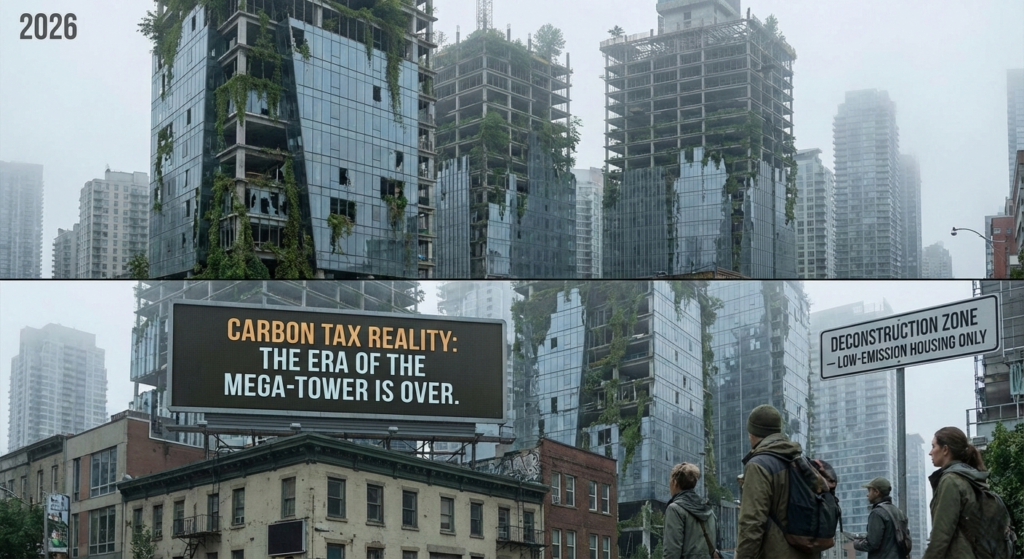
Have you looked at the city skyline lately? You will see many tall glass towers. However, this view is about to change forever. Specifically, 2026 carbon regulations are changing the rules for all buildings. Consequently, these new laws are hurting traditional skyscrapers in London and NYC. Therefore, owners need a new plan to survive. Thus, they must use The Net-Zero Blueprint.
In fact, building owners face huge fines if they wait. Furthermore, tenants are leaving old towers for green ones. Ultimately, you must fix your buildings to survive this new market. This guide shows why old buildings are dying. Additionally, we will show how smart owners fix them. Let us look at the facts.
1. The End of the Glass Tower
For years, people loved big glass buildings. Indeed, they look very modern. Unfortunately, they also waste a lot of energy. Consequently, traditional skyscrapers are now a big financial risk. Moreover, cities want to stop pollution. First, NYC passed strict laws. Soon after, London did the same.
As a result, time is running out for owners. Specifically, 2026 carbon regulations will act like a wrecking ball. Therefore, owners must use The Net-Zero Blueprint to stay in business. Furthermore, the public now demands greener cities. Consequently, empty glass boxes are becoming symbols of the past. Thus, the shift is both legal and social.
Why Do Cities Care?
Cities cannot meet climate goals without fixing buildings. Most people do not know that buildings cause 70% of city pollution. Consequently, leaders are targeting big towers. Thus, if you own a skyscraper, you are in the spotlight. Furthermore, heatwaves are getting worse in cities. Consequently, glass towers act like ovens. Therefore, fixing them helps keep the whole city cool.
2. Understanding the 2026 Carbon Regulations
You must know the rules to win. Therefore, let us look at the laws in both cities. Furthermore, knowing these rules is the first part of The Net-Zero Blueprint.
New York City: Local Law 97 (LL97)
New York City is very serious about clean air. Specifically, Local Law 97 is a very tough law. First, it tells big buildings to cut carbon fast. Consequently, if they emit too much, they pay a fine. Furthermore, the fines get much higher in 2026.
Initially, only a few buildings had to worry. However, the 2026 carbon regulations will affect almost everyone. For example, a normal office could pay millions in fines. Ultimately, traditional skyscrapers in NYC cannot afford these costs. If you do not change, the city will take your profits.
London: Green Rules and EPCs
In the UK, London is doing the same thing. Specifically, London uses “EPC” ratings to grade buildings. Consequently, buildings must get a ‘C’ grade or better soon. Eventually, they will need a ‘B’ grade by 2030. Furthermore, the city will stop you from building leaky glass towers. In fact, they might block your permits. Therefore, traditional skyscrapers in London are losing their value. Ultimately, no one will want to rent them because they are too expensive to run.
3. Why Old Skyscrapers are Failing
Why do old buildings have so much trouble? Usually, it is because of how they were made. Consequently, The Net-Zero Blueprint helps fix these errors.
The Problem with Glass Walls
Glass walls look nice but are bad for heat. In fact, heat leaves through the glass in winter. Conversely, the sun makes it too hot in summer. Therefore, your cooling system has to work too hard. As a result, your power bills go up. Furthermore, the carbon used to make that glass was very high. Ultimately, 2026 carbon regulations punish this waste.
Old Heating Systems
Most old towers burn gas or oil. For instance, many NYC towers use giant boilers. Furthermore, London buildings often have old cooling systems. Consequently, these machines pump smoke into the air. Therefore, you must replace them to survive. Moving to electric power is the only way forward.
No Smart Tech
Old buildings are not “smart.” Indeed, they heat rooms even when they are empty. Consequently, they waste money every day. In contrast, new buildings use sensors to save power. Furthermore, they use AI to guess the weather. Thus, old towers are falling behind in the race to be efficient.
4. The Net-Zero Blueprint: How to Survive
Now you know the problem. Therefore, you need a solution. I call this The Net-Zero Blueprint. Specifically, it is a simple plan to save traditional skyscrapers from 2026 carbon regulations.
Step 1: Check Your Energy
First, you must see how much energy you use. Therefore, hire an expert to test your building. Furthermore, this test shows where you are wasting money. Consequently, you can fix the big problems first.
Look at walls: Find where cold air gets in.
Check windows: Find leaks around the glass.
Test the boiler: See if it is too old and dirty.
Step 2: Seal the Building
Next, you must stop air from escaping. Consequently, your building will stay warm or cool more easily. In fact, this is often the cheapest way to save money.
Better glass: Add a second layer to windows.
Fix gaps: Use sealants around doors and vents.
Add insulation: Put more padding in the roof and empty walls.
Step 3: Switch to Electric
Fossil fuels are becoming a thing of the past. Therefore, you should move away from gas and oil. Instead, use clean electric tools. Furthermore, electricity is becoming greener as we use more wind and sun power.
Heat Pumps: These are very smart heaters.
Smart Fans: These move air only when needed.
Electric Heaters: Replace those old gas boilers fast.
Step 4: Add a Digital Brain
After that, you need a computer to run the building. Therefore, install a building management system. Specifically, this acts like a brain for your tower. Furthermore, it allows you to see your energy use on your phone.
Lights: They turn off when people leave.
Heat: It turns down at night automatically.
Track Carbon: Watch your pollution levels every day to avoid fines.
5. The Real Cost of Waiting
Some people say The Net-Zero Blueprint is too costly. However, doing nothing costs even more. Let us look at the price of 2026 carbon regulations.
Fines in NYC
In New York, the fines are very high. Specifically, the city charges $268 for every ton of extra carbon. Consequently, a large tower could owe millions. Indeed, some owners expect to pay $5 million a year. Furthermore, these fines do not stop until you fix the building. Therefore, spending money on fixes is a smart choice.
Empty Buildings in London
London is different but just as tough. Specifically, you cannot rent a building with a bad grade. Consequently, you will have no tenants. Thus, your building will stay empty and generate no cash. Furthermore, banks will not lend you money for a “dirty” building. Ultimately, traditional skyscrapers in London could lose all their value.
6. Real Examples: Buildings that Won
You might think this is impossible. Fortunately, some buildings are already winning. Specifically, they used The Net-Zero Blueprint early.
The Empire State Building (NYC)
This is a very famous tower. It used to waste a lot of power. However, the owners fixed it. First, they updated all the windows. Next, they added smart controls. Consequently, they cut their energy use by 40%. Furthermore, they saved millions of dollars. Thus, they are ready for 2026 carbon regulations.
The Broadgate Hub (London)
In London, developers took an old office and changed it. Furthermore, they added heat pumps and better walls. As a result, they did not have to build a new tower. Ultimately, they saved money and the planet. Today, top companies want to rent space there because it is green.
7. What Tenants Want
Tenants are changing their minds. Surprisingly, they care about the environment now. Therefore, The Net-Zero Blueprint helps you find better renters. Furthermore, young workers want to work in healthy buildings.
The “Brown” Discount
Companies do not want to be in “dirty” buildings. Consequently, they will ask for lower rent. In the industry, we call this the “brown discount.” Furthermore, it makes your building look old-fashioned. Ultimately, it hurts your income.
The “Green” Reward
Conversely, green buildings are very popular. Indeed, companies will pay more for clean space. Furthermore, these buildings fill up faster. Consequently, your building becomes more valuable. Therefore, fixing your tower helps you make more money. Thus, traditional skyscrapers must go green to win.
8. Deep Dive: The Tech of the Future
To truly follow The Net-Zero Blueprint, you should look at new tools. Furthermore, technology is getting better every year. Consequently, it is easier to save energy now than it was ten years ago.
Solar Glass
Imagine if your windows could make power. Specifically, solar glass looks like normal glass but captures sunlight. Consequently, your building becomes a power plant. Furthermore, it helps shade the inside of the building. Thus, you save on cooling costs.
Smart Air Filters
Clean air is very important now. Therefore, use smart filters that only run when people are in the room. Consequently, you save energy and keep people healthy. Furthermore, these filters can tell you when they are dirty. Thus, your maintenance team saves time.
Thermal Batteries
You can store cold air at night when power is cheap. Specifically, these “ice batteries” use that cold air during the day. Consequently, you do not have to run your AC when power is expensive. Furthermore, it takes the stress off the city power grid. Thus, you help the whole city stay stable.
9. Dealing with the “Embodied Carbon” Problem
We must also talk about how buildings are made. Specifically, making concrete and steel creates a lot of smoke. Therefore, tearing down a building is bad for the earth.
Reuse the Bones
Instead of destroying a tower, fix the inside. Consequently, you save the “embodied carbon” in the steel frame. Furthermore, this is often faster than building something new. Thus, The Net-Zero Blueprint focuses on fixing what we have.
Green Materials
If you must build something new, use green concrete. Specifically, this type of concrete is made with less pollution. Furthermore, you can use recycled steel. Consequently, your building starts its life with a low carbon score. Therefore, you are already ahead of the 2026 carbon regulations.
10. How to Talk to Your Investors
Investors might be worried about the cost of fixes. Therefore, you must explain the value of The Net-Zero Blueprint. Furthermore, you must show them the risks of doing nothing.
Focus on Value
Tell them that green buildings sell for more money. Specifically, buyers want assets that are “future-proof.” Consequently, a fixed building is worth much more than a leaky one. Furthermore, explain that the fines will eat their dividends.
Show the Savings
Use data to show how much lower the power bills will be. Consequently, the investors will see that the project pays for itself. Furthermore, mention that green buildings get better tax breaks. Thus, the financial case is very strong.
11. The Role of the Facility Manager
Your team on the ground is very important. Therefore, they need to know The Net-Zero Blueprint too. Furthermore, they need the right tools to do their job.
Training is Key
Teach your team how to use the new computers. Specifically, they should know how to read the energy data. Consequently, they can spot leaks before they get big. Furthermore, they can suggest new ways to save. Thus, your staff becomes part of the solution.
Preventive Maintenance
Do not wait for things to break. Instead, check your machines every month. Consequently, they will run more efficiently. Furthermore, you will avoid expensive emergency repairs. Thus, your building stays in the green zone.
12. Planning for 2030 and Beyond
The 2026 laws are just the start. Therefore, you must look further ahead. Specifically, the rules will get even tougher in 2030. Furthermore, the goal is to have zero carbon by 2050.
Aim Higher
Do not just do the minimum to pass. Instead, try to be the best building on the block. Consequently, you will not have to fix it again in four years. Furthermore, you will be the top choice for the best tenants. Thus, a bold plan today saves money tomorrow.
Community Impact
When you fix your building, you help the neighborhood. Specifically, you create less noise and heat. Consequently, people will enjoy being near your building. Furthermore, you set an example for other owners. Thus, you become a leader in your city.
13. The Checklist for Success
Time is moving fast. Consequently, you must act now. Here is a long list to help you follow The Net-Zero Blueprint.
Energy Audit: Find an expert to test everything.
Fine Estimate: Calculate your 2026 fines today.
Window Check: Look for leaks and heat loss.
HVAC Plan: Decide when to replace your gas boiler.
Smart Controls: Plan your building brain.
Tenant Meetings: Talk to your renters about energy.
Financing: Look for green loans and grants.
Staff Training: Get your team ready for new tech.
Materials: Choose green products for all repairs.
Monitoring: Start tracking your carbon every day.
14. Global Trends: Beyond London and NYC
Other cities are watching. Specifically, Paris, Tokyo, and Sydney are making similar rules. Consequently, The Net-Zero Blueprint will be useful everywhere. Furthermore, global companies want the same green standards in every office. Thus, your knowledge here will help you grow worldwide.
The Rise of “Passive House”
This is a way of building that needs almost no heating. Specifically, it uses very thick walls and great windows. Consequently, it is the gold standard for efficiency. Furthermore, it is becoming popular for tall towers. Thus, it might be the future of all skyscrapers.
Nature in the City
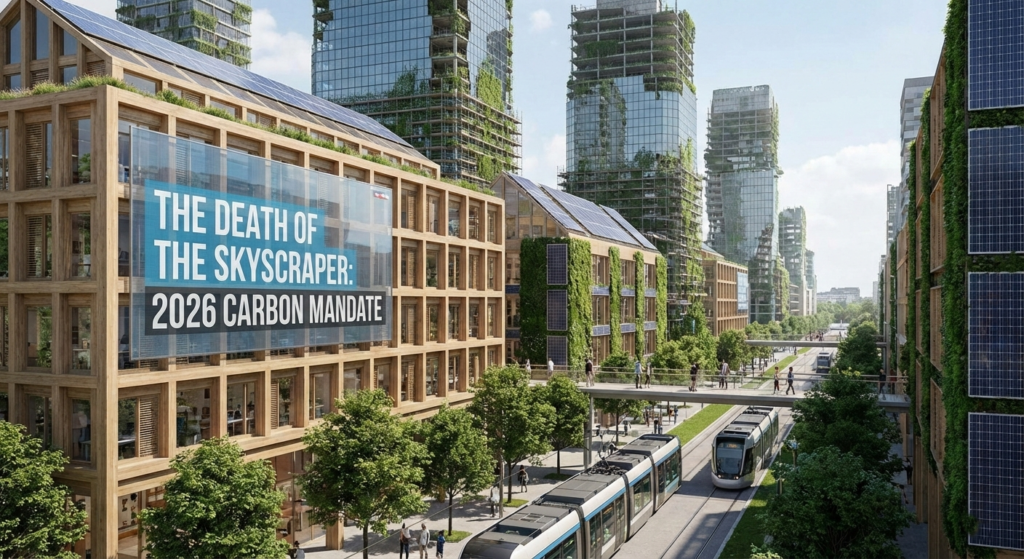
Many new buildings have trees on the balconies. Specifically, this helps cool the air. Furthermore, it makes people feel better. Consequently, green buildings are more than just energy-efficient. Thus, they are better places to live and work.
15. Overcoming the Obstacles
It is not always easy to change a building. Therefore, you must be ready for challenges. Furthermore, you must have a plan to beat them.
Construction Noise
Fixing a building can be loud. Specifically, tenants might complain. Consequently, you should do the loudest work at night. Furthermore, keep everyone updated on the schedule. Thus, you keep your tenants happy while you improve the asset.
High Upfront Costs
The first bill for heat pumps is high. Therefore, use “C-PACE” financing. Specifically, this lets you pay the loan back through property taxes. Consequently, you do not need much cash upfront. Thus, you can start the work today.
16. The Psychology of Green Buildings
People feel better in green buildings. Specifically, they have better air and light. Consequently, workers are more productive. Furthermore, they take fewer sick days. Thus, your building helps businesses succeed. This is a great selling point for new tenants.
Natural Light
Big, smart windows let in light but block heat. Specifically, this helps people stay awake and happy. Consequently, companies want this for their staff. Furthermore, it saves money on lightbulbs. Thus, it is a win-win for everyone.
Air Quality
Modern systems bring in more fresh air. Specifically, they filter out city smog. Consequently, the office feels cleaner. Furthermore, it reduces the spread of germs. Thus, your building is a safe place to be.
17. The Digital Twin: A Key Tool
A “digital twin” is a computer model of your building. Specifically, it shows how air and energy move. Consequently, you can test a change before you spend money. Furthermore, it helps you find broken parts quickly. Thus, it is a vital part of The Net-Zero Blueprint.
Testing the “What Ifs”
What if you change the roof? The digital twin will tell you the result. Consequently, you make fewer mistakes. Furthermore, you can show the results to your bank. Thus, it is easier to get loans for your project.
Real-Time Monitoring
The twin connects to sensors in the real building. Specifically, it warns you if a pipe is about to leak. Consequently, you save money on repairs. Furthermore, you keep the building running smoothly. Thus, your tower stays at peak performance.
18. Why the “Status Quo” is a Trap
Doing what you have always done is dangerous. Specifically, the market is moving away from old ways. Consequently, if you do not change, you will be left behind. Furthermore, the planet cannot wait for slow movers.
The Risk of Being “Stranded”
A “stranded asset” is a building that no one wants. Specifically, it is too dirty and too expensive. Consequently, it becomes a hole in your pocket. Furthermore, you cannot sell it for a good price. Thus, you must act now to avoid this trap.
The Opportunity for Leadership
If you are first to fix your building, you win. Specifically, you become a leader in the city. Consequently, people will look to you for advice. Furthermore, you will get the best tenants and the best deals. Thus, being early is a huge advantage.
19. Summary of the Journey
We have covered a lot of ground today. Specifically, we looked at the danger of 2026 carbon regulations. Furthermore, we saw how traditional skyscrapers are at risk. Consequently, we explored the power of The Net-Zero Blueprint.
From sealing windows to using AI, the path is clear. Therefore, you have the tools you need to succeed. Furthermore, you have the knowledge to protect your assets. Thus, the future of London and NYC is in your hands.
20. Conclusion: Your Future Starts Now
The 2026 deadline is not a suggestion. Specifically, 2026 carbon regulations are a hard reality. Consequently, they are forcing the end of the old-fashioned glass tower. Furthermore, they are making traditional skyscrapers in London and NYC adapt or die.
Therefore, embrace The Net-Zero Blueprint today. Do not see it as a burden. Instead, see it as a chance to build something better. Specifically, you are building a more valuable, more healthy, and more profitable future. Furthermore, you are helping our cities survive for the next hundred years.
Ultimately, the choice is yours. You can pay the fines, or you can lead the way. Thus, start your journey today and watch your buildings thrive in the new green economy.
About the Author