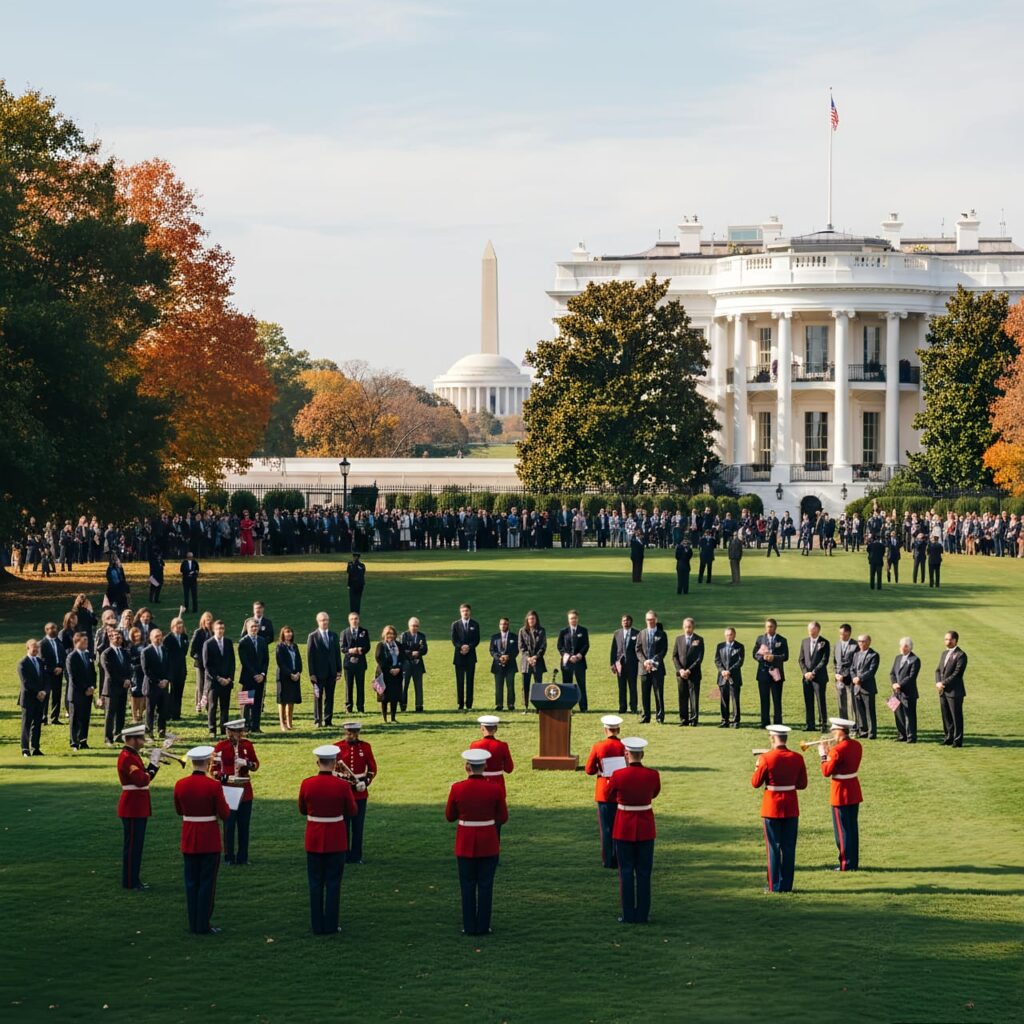
The White House stands as a global symbol of democracy and power. However, most people only see the famous North Portico on the news. Beyond those white sandstone walls lies a complex home, a bustling office, and a living museum. This article explores the hidden layers of 1600 Pennsylvania Avenue, focusing on what makes it truly unique.
A Living Monument: More Than Just an Office
Initially, George Washington selected the site for the executive mansion in 1791. While he oversaw the construction, he never actually lived there. John Adams became the first president to move in, even though the walls were still wet with plaster. Since then, every commander-in-chief has added a personal touch to the halls.
Because the building serves as a residence and a workplace, it maintains a delicate balance. The West Wing houses the political engine, while the Second and Third floors offer a private sanctuary for the First Family. Consequently, the building must adapt to the needs of the modern world while preserving its historic soul.
The Iconic Rooms You Should Know
Visitors often marvel at the grandeur of the State Rooms. Nevertheless, each room serves a very specific functional purpose.
The Oval Office: This serves as the President’s primary workspace. It features the famous Resolute Desk, which was a gift from Queen Victoria.
The East Room: As the largest room in the house, it hosts press conferences, bill signings, and elegant balls.
The Blue Room: Located in the center of the State Floor, its distinct oval shape makes it a favorite for formal receptions.
The Situation Room: Hidden in the basement, this high-tech command center allows the President to monitor global crises in real-time.
Surprising Facts and Hidden Features
Interestingly, the White House contains many amenities that the public rarely sees. To keep the First Family entertained and relaxed, the grounds include:
A Private Theater: Presidents can watch the latest Hollywood releases before they hit theaters.
A Bowling Alley: Originally installed for Harry Truman, it remains a popular spot for late-night strikes.
The Chocolate Shop: Pastry chefs create incredible edible art here, especially during the holiday season.
A Secret Tunnel: This underground passage connects the East Wing to an emergency bunker for safety.
Furthermore, the building requires a massive staff to function. From ushers to florists, nearly 100 permanent employees ensure that the “People’s House” runs like a five-star hotel.
How to Visit the White House Today
Many citizens dream of walking through these historic halls. Fortunately, public tours are available, but they require significant planning. Specifically, you must submit a request through your Member of Congress at least 21 days in advance.
Moreover, international visitors should contact their embassy in Washington, D.C., to inquire about tour availability. Because security is incredibly tight, you should expect a thorough screening process before entering the gates.

The Future of 1600 Pennsylvania Avenue
As we look ahead, the White House continues to evolve. Recent renovations have focused on green energy and improved cybersecurity. While the exterior remains timeless, the interior constantly updates to meet the demands of the 21st century.
Ultimately, the White House belongs to the American people. It stands as a testament to the nation’s history and a beacon for its future. Whether you view it as a political hub or a historic home, its legacy remains unmatched.
About the Author