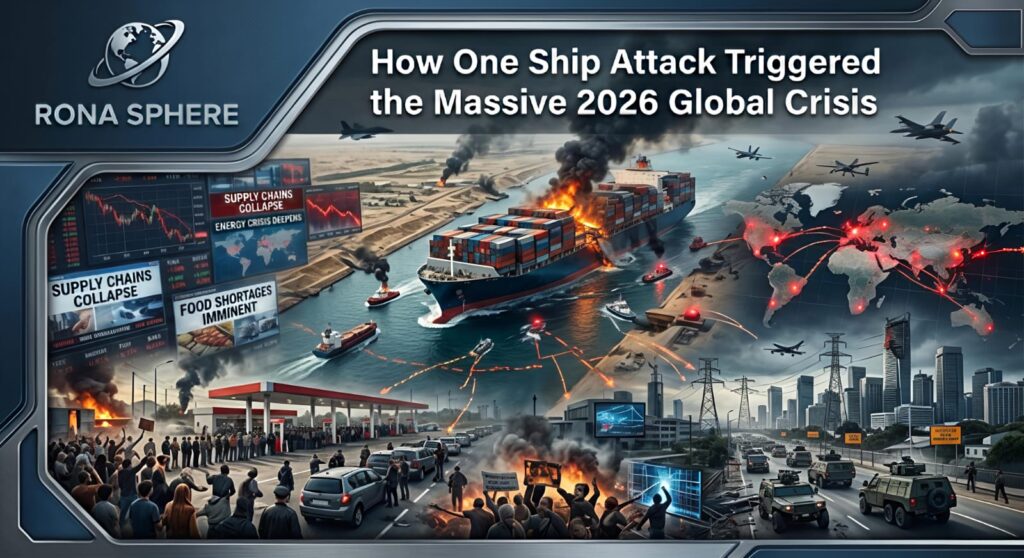
The world changed in a heartbeat on March 4, 2026. Specifically, a massive underwater explosion rocked the Indian Ocean. Consequently, news broke that an iran ship attacked by us forces was sinking fast. This was not just a small fight in the Persian Gulf. Instead, it was a major move by the United States Navy far from home. Furthermore, the ship involved was the IRIS Dena, a modern warship that Iran valued highly. Therefore, everyone from world leaders to regular families began to worry about what would happen next.
Undeniably, war is a scary topic for everyone. However, understanding the facts can help you feel more in control. This guide explains exactly what happened when that iran ship attacked by us military assets went down. Additionally, we will look at how this event changes the price of gas and the cost of food. Moreover, I will show you how to protect your own money and business during this tough time. Specifically, we want to look past the scary headlines and find the truth.
The Sudden Strike in the Deep Blue
The IRIS Dena was a pride of the Iranian Navy. Initially, the ship was on a friendly trip to India. Specifically, it took part in a large naval meeting called MILAN 2026. Consequently, the crew felt safe as they began their long journey back to Iran. However, the United States had other plans. Specifically, the U.S. launched “Operation Epic Fury” to stop Iran’s military power.
Then, a U.S. submarine found the ship near Sri Lanka. Subsequently, the submarine commander fired a single, powerful torpedo. Therefore, the iran ship attacked by us navy forces never had a chance to fight back. In contrast to a movie battle, this was over in seconds. Specifically, the torpedo hit the ship right in the middle. Consequently, the metal snapped, and the ocean rushed in.
Why This Attack Shocked the World
Most people expected the war to stay in the Middle East. Instead, this iran ship attacked by us went down in a busy trade lane. Furthermore, this area is vital for ships carrying goods to Europe and Asia. Consequently, the attack showed that the U.S. could hit Iranian targets anywhere on Earth. Moreover, it proved that submarines are the most dangerous weapons in the ocean today.
Distance: The strike happened thousands of miles from the Persian Gulf.
Surprise: The Iranian crew likely never saw the submarine on their radar.
Lethality: One single hit was enough to destroy a massive warship.
The Science of the Sinking
You might wonder how a single torpedo can sink a giant ship. Specifically, the U.S. used a weapon called the Mark 48. Furthermore, this is not a normal bomb. Instead of hitting the side of the ship, it swims underneath the boat. Consequently, the weapon explodes directly under the keel, which is the ship’s spine.
Then, the explosion creates a massive bubble of gas. Subsequently, the bubble lifts the entire ship out of the water. However, the bubble pops almost instantly. Therefore, the ship falls back down into a hole in the ocean. Specifically, the weight of the ship causes it to break in half. Consequently, the iran ship attacked by us sank to the bottom in less than five minutes.
Understanding Modern Naval Tech
Today, ships have many radars to stop missiles. However, they are not as good at stopping torpedoes. Specifically, sound travels differently in water than in air. Furthermore, the Mark 48 uses “acoustic homing.” This means it listens for the ship’s engine and follows the noise. Consequently, escaping a torpedo is nearly impossible once it is launched.
| Feature | Description |
| Weapon Type | Mark 48 ADCAP Torpedo |
| Target | IRIS Dena (Moudge-class Frigate) |
| Result | Total hull failure and rapid sinking |
| Tech Used | Sonar tracking and AI guidance |
Why India is Caught in the Middle
Geopolitics is a fancy word for how countries get along. Specifically, the iran ship attacked by us created a big problem for India. Previously, the IRIS Dena was a guest of the Indian Navy. Therefore, Iran was very angry that their ship was hit so close to India. Furthermore, Iran accused the U.S. of being a “bully” in international waters.
In contrast, the U.S. says the attack was necessary for safety. Consequently, India has to choose a side. However, India needs oil from Iran and weapons from the U.S. Therefore, the Indian government is trying to stay neutral. Specifically, they are calling for both sides to stop fighting. Moreover, they are worried about millions of Indian workers who live in the Middle East.
Lessons for Global Leaders
If you manage a team or a company, you can learn from this. Specifically, sometimes you get caught between two powerful forces. Consequently, you must learn to navigate these “political waters” carefully.
Keep Talking: India is talking to both the U.S. and Iran to prevent more war.
Focus on Safety: The first priority is always protecting people.
Verify Facts: India is working hard to stop fake news about the attack.
The Economic Disaster in Your Wallet
Whenever an iran ship attacked by us makes the news, prices go up. Specifically, the price of oil is the first thing to change. Furthermore, oil is used for more than just cars. Instead, it is used to make plastic, medicine, and even clothes. Consequently, if oil prices rise, your life gets more expensive.
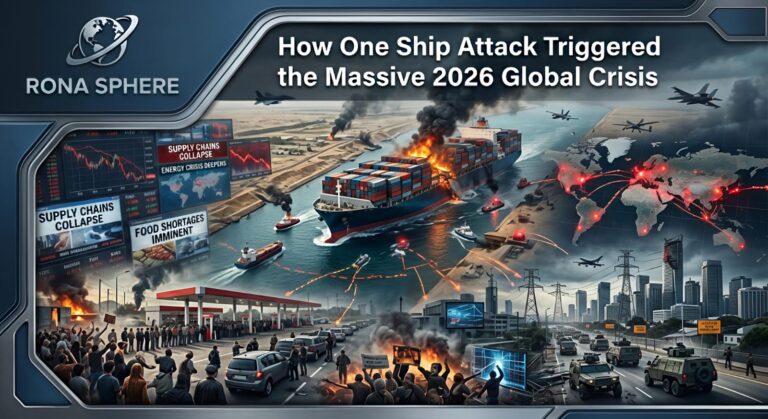
Additionally, shipping companies are now afraid. Specifically, they do not want their tankers to get hit by a stray missile. Therefore, they are taking longer routes around the bottom of Africa. Consequently, it takes more time and more fuel to get goods to the store. Ultimately, you pay the price for these delays at the checkout counter.
How to Protect Your Family Budget
You do not have to be a victim of the economy. Instead, you can take action today. Specifically, follow these simple tips to save money during the 2026 crisis:
Buy Essentials in Bulk: Rice, beans, and canned goods will get more expensive soon. Consequently, buying them now saves you money later.
Check Your Gas Usage: Try to combine trips in your car. Furthermore, consider carpooling with friends to save on fuel costs.
Avoid New Debt: Interest rates usually go up during a war. Therefore, try to pay off your credit cards as fast as possible.
Stay Informed: Watch the news, but do not panic. Specifically, look for real facts, not just scary rumors.
How Businesses Can Survive Shipping Chaos
If you own a small business, the iran ship attacked by us is a big deal. Specifically, your supplies might be stuck on a boat somewhere. Furthermore, your shipping costs might double overnight. Consequently, you need a plan to keep your business running smoothly.
Instead of waiting for things to get better, you must act now. Specifically, you should look for new ways to get the things you need. Furthermore, you should talk to your customers about what is happening. People are usually understanding if you are honest with them.
A Step-by-Step Business Plan
Find New Suppliers: Look for companies closer to home. Specifically, try to find suppliers in your own country.
Increase Inventory: If you have the space, keep more stock on hand. Consequently, you won’t run out if a ship is late.
Update Your Prices: Do not be afraid to raise your prices a little bit if your costs go up. However, explain why you are doing it.
Use Technology: Use software to track your shipments in real-time. Therefore, you will know exactly when your goods will arrive.
The War of Information and Fake News
In 2026, the internet is full of lies. Specifically, after the iran ship attacked by us happened, many fake videos appeared. Furthermore, some of these videos were made by computers to look real. These are called “deepfakes.” Consequently, it is very hard to know what is actually true.
Instead of believing everything you see on social media, you must be a detective. Specifically, you should check where the video came from. Furthermore, you should see if major news sites are reporting the same thing. Therefore, you can protect yourself from being tricked by propaganda.
How to Spot a War Lie
Previously, it was easy to see a fake video. Now, computers are much smarter. Consequently, you must look closer at the small details. Specifically, look at the shadows and the way people move their mouths. Furthermore, check the official statements from the U.S. Navy and the Iranian government.
Check the Source: Is the news from a real reporter or just a random person?
Look for Old Footage: Sometimes people use videos from 10 years ago. Consequently, you should always check the date.
Watch Out for Emotion: If a story is designed to make you feel very angry, it might be fake. Specifically, propaganda targets your feelings.
The Environmental Cost of the Sinking
War does not just hurt people; it hurts nature too. Specifically, when the iran ship attacked by us sank, it was full of oil. Furthermore, the ship was carrying dangerous chemicals and explosives. Consequently, a massive oil slick began to grow in the Indian Ocean.
Instead of a clean ocean, the area now has a toxic mess. Specifically, fish and sea birds are dying near the wreck. Furthermore, the oil is moving toward the beaches of Sri Lanka. Therefore, local fishermen are out of work because the water is poisoned. Consequently, the war has created an environmental disaster that will last for years.
Why We Should Care About the Ocean
The ocean provides food for millions of people. Specifically, if the water is polluted, the food is not safe to eat. Furthermore, the ocean helps regulate the Earth’s weather. Consequently, hurting the ocean hurts everyone on the planet. Therefore, we must think about the environmental cost of naval battles.
Pollution: Oil and chemicals leak into the water.
Wildlife: Marine life loses its home and food source.
Economy: Fishing and tourism businesses are destroyed.
The Psychological Toll of War News
Reading about an iran ship attacked by us can be very stressful. Specifically, it makes people worry about a third world war. Furthermore, the constant news on our phones keeps our brains in a state of fear. Consequently, many people are feeling more anxious and tired than usual.
Instead of letting the news control you, you can control the news. Specifically, you can choose when to look at your phone. Furthermore, you can focus on positive things in your daily life. Therefore, you can keep your mind healthy even during a global crisis.
Tips for Staying Calm
Set a News Timer: Only check the news for 15 minutes a day. Consequently, you won’t spend all day worrying.
Talk to Friends: Share your feelings with people you trust. Furthermore, listen to their worries too. Consequently, you will feel less alone.
Focus on Your Routine: Keep doing your normal activities like exercise. Specifically, a routine helps your brain feel safe.
Unplug at Night: Stop looking at screens an hour before bed. Therefore, you will sleep better.
Lessons from History (1988 vs 2026)
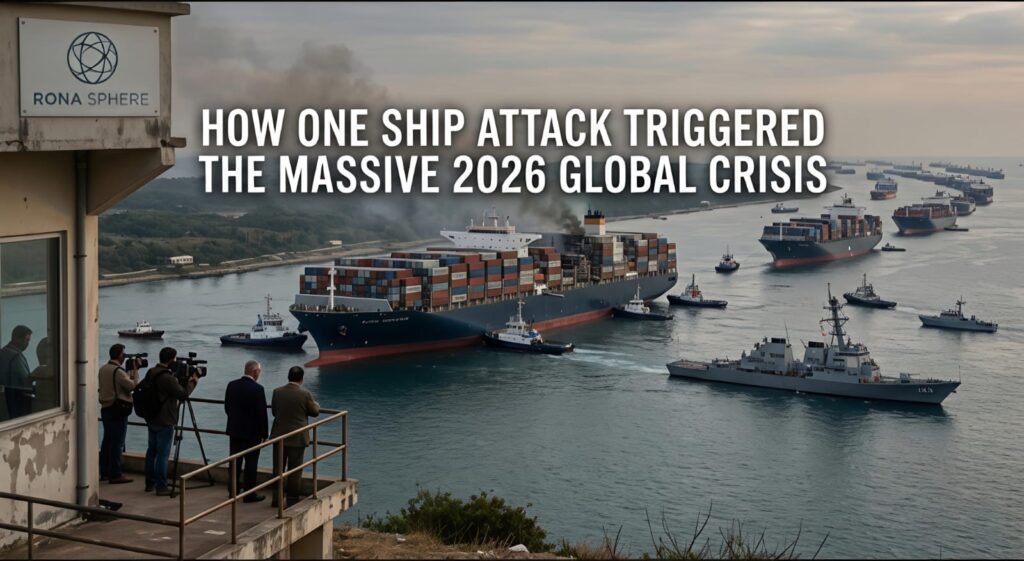
This is not the first time we have seen an iran ship attacked by us. Specifically, back in 1988, there was a big fight called Operation Praying Mantis. During that time, the U.S. Navy sank several Iranian ships in the Persian Gulf. However, the 2026 strike is much different.
Previously, the fighting was mostly in one small area. In contrast, the 2026 war is happening all over the globe. Furthermore, the technology today is much more advanced. Specifically, we now have drones and cyber-attacks that did not exist in 1988. Therefore, the current situation is much more unpredictable.
What History Teaches Us
History shows that naval wars usually last longer than people think. Specifically, both sides often refuse to give up. Furthermore, the side with the best technology usually wins the ocean battles. Consequently, the U.S. has a big advantage because of its advanced submarines. However, Iran can still cause a lot of trouble using smaller boats and missiles.
Tech Wins: Better sensors make a huge difference.
Allies Matter: Having friends in the region helps a navy stay supplied.
Peace is Hard: Stopping a war once it starts is a slow process.
The Role of AI in the Strike
You might not know that artificial intelligence (AI) played a role in the attack. Specifically, the U.S. submarine used AI to find the IRIS Dena. Furthermore, the torpedo used AI to stay on course. Consequently, the iran ship attacked by us was fighting against a computer as much as a human.
Instead of just using human eyes, modern navies use smart sensors. Specifically, these sensors can see through dark water. Furthermore, AI can process millions of pieces of data in a second. Therefore, the U.S. submarine knew exactly where the Iranian ship was at all times.
The Future of Smart War
In the future, we will see even more AI in the military. Specifically, we might see ships that have no people on them. Furthermore, we might see drones that fly and swim at the same time. Consequently, the way we think about war is changing forever.
Speed: Computers make decisions faster than humans.
Accuracy: Weapons hit their targets almost every time.
Risk: AI might make a mistake that leads to a bigger war.
International Law and the Strike
Some people are asking if the attack was legal. Specifically, international law has rules about where you can fight. Furthermore, there are rules about attacking ships from countries you are not officially at war with. Consequently, lawyers at the United Nations are looking into the iran ship attacked by us.
Instead of a simple answer, the law is very complicated. Specifically, the U.S. argues it was “self-defense.” Furthermore, they claim that Iran was planning to attack American ships first. In contrast, Iran says the U.S. committed a “crime on the high seas.” Therefore, the legal battle will continue long after the ship has sunk.
Key Rules of the Sea
Freedom of Navigation: Ships should be able to sail anywhere.
Rules of Engagement: Soldiers must follow specific orders.
Territorial Waters: Each country controls the water close to its shore. Specifically, the attack happened outside of these waters.
The Impact on Global Trade Routes
The Indian Ocean is like a highway for the world’s goods. Specifically, millions of containers pass through this area every year. Furthermore, these containers hold everything from phones to car parts. Consequently, the iran ship attacked by us has caused a giant traffic jam at sea.
Instead of sailing through the danger zone, many ships are waiting in ports. Specifically, they are waiting for the U.S. Navy to tell them it is safe. Furthermore, some companies are trying to use trains and planes instead. Therefore, the cost of moving goods around the world has reached an all-time high.
Why Shipping Rates Matter to You
If it costs more to move a product, that cost is passed to you. Specifically, a $10 toy might now cost $15. Furthermore, some items might not be available for a few months. Consequently, you should be patient when ordering things online.
Delays: Expect your packages to arrive later than usual.
Surcharges: You might see extra fees on your shipping bills.
Shortages: Some car parts might be hard to find.
How Iran Might Respond
Everyone is asking: what will Iran do now? Specifically, they are very angry about their iran ship attacked by us military forces. Furthermore, they have promised “bitter revenge” against America. Consequently, we must be ready for more trouble in the coming weeks.
Instead of a big naval battle, Iran might use “asymmetric warfare.” Specifically, they might use small, fast boats to harass oil tankers. Furthermore, they might use cyber-attacks to shut down websites. Therefore, the danger is not just on the ocean, but also in our computers.
What to Watch For
Hormuz Closure: Iran might try to block the Strait of Hormuz. Specifically, this would stop a lot of the world’s oil.
Proxy Attacks: Groups in other countries might attack U.S. bases. Furthermore, these groups often use drones.
Cyber Warfare: Watch out for glitches in banking websites. Consequently, you should keep some physical cash at home.
Personal Security in a Digital War
As mentioned, cyber-attacks are a real threat. Specifically, if Iran retaliates, they might target digital systems. Furthermore, they could try to steal personal information. Consequently, you must take steps to protect your digital life today.
Instead of being an easy target, you can be smart about your security. Specifically, you should change your passwords often. Furthermore, you should use “two-factor authentication” on all your accounts. Therefore, even if a hacker gets your password, they cannot get into your account.
Your Cyber Safety Checklist
Update Your Software: Keep your phone and computer updated. Specifically, updates often fix security holes.
Be Careful with Emails: Do not click on links from people you do not know. Furthermore, watch out for scams.
Backup Your Data: Keep a copy of your important photos on an external drive. Consequently, you won’t lose them.
Use a VPN: A Virtual Private Network helps keep your internet activity private. Specifically, it makes it much harder for hackers to track you.
The Future of US-Iran Relations
Can these two countries ever be friends? Specifically, the iran ship attacked by us has made trust almost impossible. Furthermore, both countries have very different ideas about the future. Consequently, we are likely looking at many years of tension and conflict.
Instead of a quick peace deal, we might see a “Cold War.” Specifically, this means they won’t fight a giant war, but they will always be ready. Furthermore, other countries like China and Russia are getting involved. Therefore, the situation is becoming a global power struggle.
What Peace Would Require
Dialogue: Both sides need to start talking again.
Nuclear Deal: A new agreement about Iran’s nuclear power is vital. Furthermore, this deal must be something both sides can trust.
Economic Relief: Iran wants the U.S. to stop the sanctions. Consequently, this would make a peace deal much easier.
Managing “War Fatigue”
After a few weeks of news about an iran ship attacked by us, many people stop caring. Specifically, this is called “war fatigue.” Furthermore, it happens when we see so much bad news that we become numb. Consequently, we might miss important updates that actually affect our lives.
Instead of tuning out, you should try to stay “softly informed.” Specifically, this means you check the news for facts, but you don’t let it ruin your day. Furthermore, you should focus on helping others in your community. Therefore, you can turn your stress into something positive.
How to Stay Engaged Without Stress
Volunteer: Help a local charity or food bank. Specifically, taking action makes you feel powerful.
Learn a New Skill: Use your time to learn something useful, like first aid. Furthermore, these skills are great to have during a crisis.
Support Local Shops: Shop at local stores that are struggling with costs. Consequently, you help your own neighborhood stay strong.
The Strategic Importance of the Indian Ocean
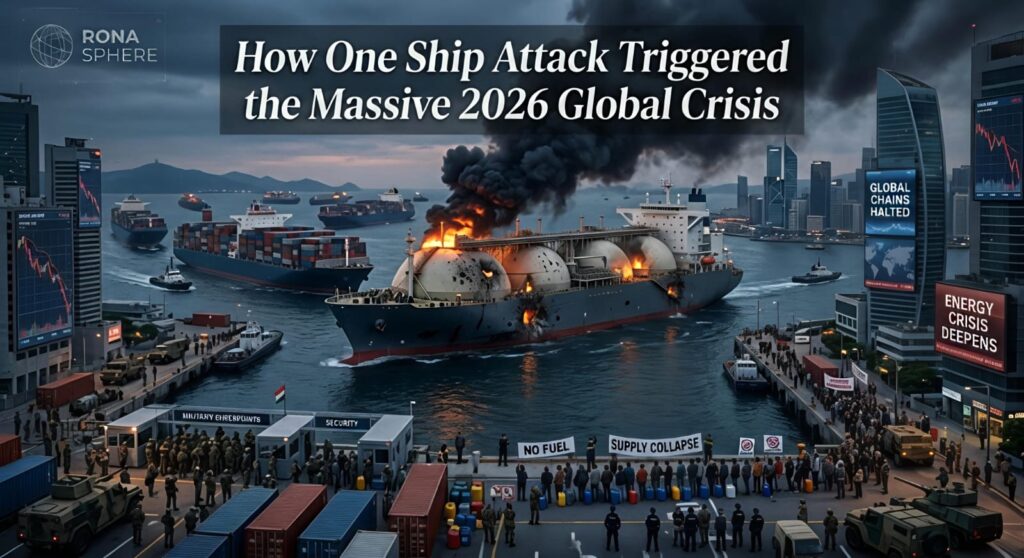
Why did the iran ship attacked by us navy forces go down in the Indian Ocean? Specifically, this ocean is the world’s most important maritime highway. Furthermore, it connects the oil-rich Middle East with the factories of Asia and the markets of Europe. Consequently, whoever controls the Indian Ocean controls the global economy.
Previously, the U.S. Navy was the only major power in this area. In contrast, China and India are now building massive navies to protect their own interests. Therefore, the Indian Ocean is becoming a very crowded and dangerous place. Specifically, the sinking of the IRIS Dena was a warning to other countries that the U.S. still claims dominance over these waters.
Why the Location Matters
Trade Lanes: Most of the world’s container ships pass through here.
Energy Security: Most of the oil for China and Japan travels across this ocean.
Military Bases: The U.S. has a massive base at Diego Garcia nearby. Consequently, they can strike anywhere in the region quickly.
Tactical Analysis: The Mark 48 ADCAP Torpedo
Let’s look closer at the weapon that destroyed the IRIS Dena. Specifically, the Mark 48 ADCAP is the most advanced torpedo in the U.S. arsenal. Furthermore, it is designed to sink the largest aircraft carriers and the most modern submarines. Consequently, a small frigate like the IRIS Dena had no chance of surviving a direct hit.
Instead of a simple explosion, the torpedo uses a “smart” fuse. Specifically, it senses the magnetic field of the ship above it. Furthermore, it can re-attack if it misses the first time. Therefore, the torpedo will circle around and try again until the target is destroyed. Specifically, this makes it the most feared weapon in the underwater world.
Speed: It can travel at over 50 knots (about 60 mph).
Depth: It can dive thousands of feet to hit deep-sea targets.
Guidance: It can be controlled by a thin wire or act on its own using sonar.
The Human Side of the Conflict
We often talk about ships and torpedoes, but we should not forget the people. Specifically, the iran ship attacked by us navy forces carried over 100 sailors. Furthermore, these were young men with families who loved them. Consequently, the sinking was a personal tragedy for many people in Iran.
Instead of seeing them as just “the enemy,” we should remember their humanity. Specifically, many of the sailors were likely drafted into the navy. Furthermore, they were simply doing their jobs when the attack happened. Therefore, we should hope for a future where young people do not have to die at sea for political reasons.
Remembering the Families
Grief: Hundreds of families are now mourning their lost sons and husbands.
Recovery: Sri Lankan and Indian naval teams are still searching for bodies. Consequently, the search is a grim reminder of the cost of war.
Legacy: The sailors of the IRIS Dena will be remembered as heroes in Iran. Furthermore, their names will be used in propaganda to keep the conflict going.
Protecting Your Business Inventory
If you sell physical products, the iran ship attacked by us incident is a wake-up call. Specifically, you cannot rely on “just-in-time” delivery anymore. Furthermore, you must assume that shipping will be interrupted again in the future. Consequently, you need to build a “resilient” supply chain.
Instead of ordering only what you need today, you should order ahead. Specifically, try to keep at least three months of inventory in your warehouse. Furthermore, diversify your shipping methods. Therefore, if the sea lanes are closed, you can use air freight or rail instead.
Audit Your Suppliers: Know exactly where your goods come from.
Build a Buffer: Keep extra stock of your most popular items.
Monitor Shipping News: Follow sites like Lloyd’s List for maritime updates. Consequently, you will be the first to know about new delays.
Preparing for Potential Power Outages
Cyber warfare often targets the power grid. Specifically, if Iran retaliates, they might try to turn off the lights in major Western cities. Furthermore, they could target the systems that manage water and gas. Consequently, you should be ready for a temporary loss of utilities.
Instead of panicking, you can prepare a “blackout kit.” Specifically, you should have flashlights, batteries, and a hand-crank radio. Furthermore, keep a few gallons of water for each person in your home. Therefore, you can stay safe and comfortable until the power comes back on.
Light: Have plenty of candles and matches in a safe place.
Food: Stock up on items that do not need to be cooked, like peanut butter.
Communication: Keep a physical list of emergency phone numbers. Consequently, you can still call for help if your phone dies.
The Role of Drones in Modern Naval War
Drones are changing how we think about the iran ship attacked by us scenario. Specifically, Iran uses “suicide drones” to attack ships from the air. Furthermore, they have developed underwater drones that act like slow-moving torpedoes. Consequently, a navy does not need a big ship to cause a lot of damage.
Instead of expensive frigates, Iran is building thousands of cheap drones. Specifically, these drones can be launched from the back of a truck or a small boat. Furthermore, they can swarm a large ship and overwhelm its defenses. Therefore, the U.S. Navy is spending billions of dollars on new lasers and electronic jammers to stop these drone swarms.
Low Cost: A drone costs $20,000, while a missile costs $2 million.
Swarming: Attacking with 50 drones at once is very hard to stop.
Stealth: Small drones are very hard to see on radar. Consequently, they can sneak up on a ship very easily.
Why Energy Independence Matters Now
The iran ship attacked by us incident proves that relying on foreign oil is dangerous. Specifically, if a war in the Middle East stops the flow of oil, our economy stops too. Furthermore, countries that produce their own energy are much safer during global crises. Consequently, there is a new push for solar, wind, and nuclear power.
Instead of buying oil from halfway around the world, we should produce it at home. Specifically, this helps lower gas prices and keeps our money in our own country. Furthermore, it makes us less vulnerable to the threats of foreign leaders. Therefore, energy independence is not just about the environment; it is about national security.
Solar and Wind: These energy sources cannot be blocked by a navy.
Nuclear Power: One plant can provide power for a whole city for years.
Electric Vehicles: EVs help reduce our need for oil. Consequently, they make us more resilient during a war.
The Importance of Global Cooperation
No country can solve these problems alone. Specifically, we need international organizations like the United Nations to help keep the peace. Furthermore, we need alliances like NATO to protect our shared values. Consequently, the iran ship attacked by us incident shows that we must work together to stop the spread of war.
Instead of fighting, we should be building bridges between nations. Specifically, trade and diplomacy are the best ways to prevent conflict. Furthermore, we should invest in programs that help poor countries grow their economies. Therefore, we can create a world where war is no longer a viable option for any leader.
Diplomacy First: Always try to talk before you fight.
Shared Goals: Focus on things like climate change and health that affect everyone.
International Law: Hold every country accountable for their actions. Consequently, we can create a more just and peaceful world.
Conclusion: Adapting to a Radically Changed World
The history books will permanently, darkly remember March 4, 2026. Specifically, the sudden, violent destruction of the IRIS Dena brutally shattered the comfortable illusion that the U.S.-Iran war would entirely remain neatly confined to the distant Middle East. Furthermore, the highly aggressive use of a stealth submarine torpedo to rapidly sink a retreating frigate clearly demonstrated the ruthless, absolute efficiency of modern, high-tech naval combat.
Consequently, the entire globalized world now deeply faces a grim, highly unpredictable reality. Massive global supply chains remain incredibly, undeniably vulnerable to sudden, highly targeted military strikes. Moreover, the careful diplomatic neutrality of major, rising powers like India actively faces highly severe, continuous testing. Ultimately, the highly searched phrase iran ship attacked by us represents much more than a mere tactical military operation. It deeply, tragically symbolizes the extreme fragility of international peace and the highly devastating speed at which global, economic stability can violently sink to the cold bottom of the ocean.
About the Author