Stepping into the Grand Kremlin Palace feels like walking through the living pages of a high-stakes historical thriller. This is not just a collection of bricks and gold. On the contrary, it represents the definitive symbol of Russian statehood. While many tourists snap photos of the outer walls, few truly understand the architectural genius held within. Furthermore, the political weight of this site is immense.
Consequently, this guide dives deep into the corridors of the Grand Kremlin Palace. We offer you an insider’s perspective that transcends typical tourist brochures. Whether you are a history buff or an architecture enthusiast, this palace stands as a testament to human ambition. It is, in fact, a masterpiece of artistic mastery.
1. Why the Grand Kremlin Palace Matters Today
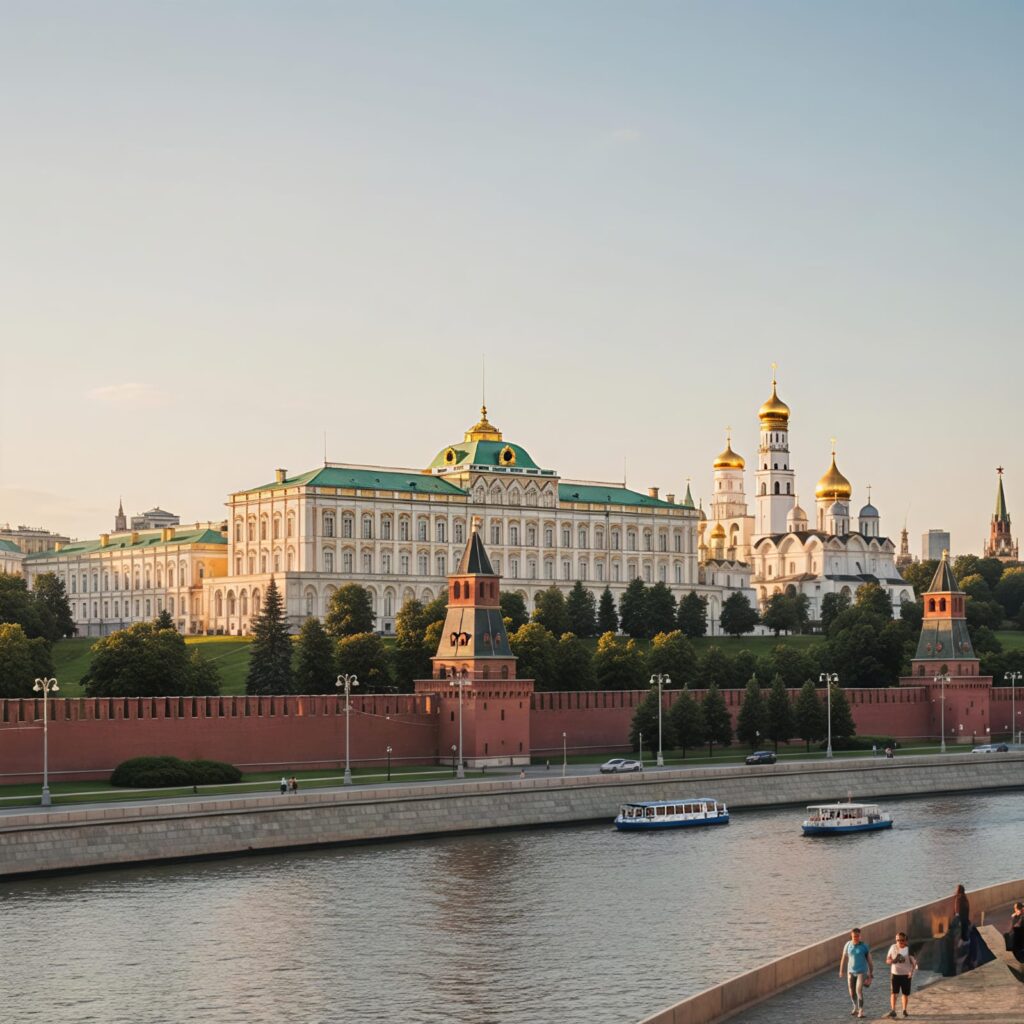
The Grand Kremlin Palace serves as the official residence of the President of Russia. However, its importance stretches far back into the 19th century. When Nicholas I commissioned the construction, he wanted to merge ancient Moscow roots with modern grandeur. Therefore, the building acts as a bridge between eras.
The Symbolism of the Site
Historical Continuity: The palace was built on the site of earlier wooden and stone palaces. Thus, it sits upon layers of history.
Political Authority: Today, the palace hosts state ceremonies and presidential inaugurations. As a result, it remains the center of power.
Cultural Identity: Every hall reflects a specific military order. Because of this, the interior serves as a gallery of Russian achievement.
Furthermore, the palace acts as a bridge between the tsarist past and the contemporary landscape. By visiting, you witness the physical manifestation of the “Third Rome” ideology. Consequently, the building is more than a home; it is a statement.
2. Architectural Mastery of Konstantin Thon
Konstantin Thon, the lead architect, faced a massive challenge. He needed to create something massive yet elegant. In contrast to the baroque styles of St. Petersburg, Thon chose the Russo-Byzantine style. This decision ensured that the palace felt uniquely Russian.
Key Architectural Features
The Façade: The palace stretches over 125 meters. Consequently, it dominates the Borovitsky Hill.
Optical Illusions: The building appears to have three floors. However, it actually only has two. This is because the second row of windows serves double-height halls.
The Interior Materials: Builders used the finest marbles and malachite. Additionally, they applied vast amounts of gold leaf.
Therefore, the Grand Kremlin Palace remains one of the largest palace complexes in the world. Thon’s vision successfully integrated the 15th-century Terem Palace. He also included the Granovitaya Palata. As a result, he created a single, cohesive masterpiece.
3. A Journey Through the Five Great Halls
The soul of the palace resides in its five ceremonial halls. Each hall is named after a high-ranking Russian military order. These spaces are designed to inspire awe.
St. George’s Hall
Undoubtedly, St. George’s Hall is the most famous room. It honors the Order of St. George. This is the highest military decoration in the land.
Color Palette: Gleaming white and gold dominate the space.
The Names: Walls feature the names of legendary heroes inscribed in gold.
Usage: The President uses this hall for receiving foreign leaders. Thus, it is a room of diplomacy.
St. Vladimir’s Hall
In contrast to the linear design of St. George’s, St. Vladimir’s Hall is octagonal. This room connects various sections of the complex. Consequently, it acts as a spiritual and physical crossroads.
St. Alexander’s Hall
This hall dazzles with pink marble and gold ornaments. While the Soviets once altered it, restoration experts later returned it to its original glory. Therefore, the palace looks more authentic now than it did fifty years ago. Moreover, the light reflecting off the marble creates a surreal atmosphere.
4. The Private Living Quarters: A Glimpse of Royalty
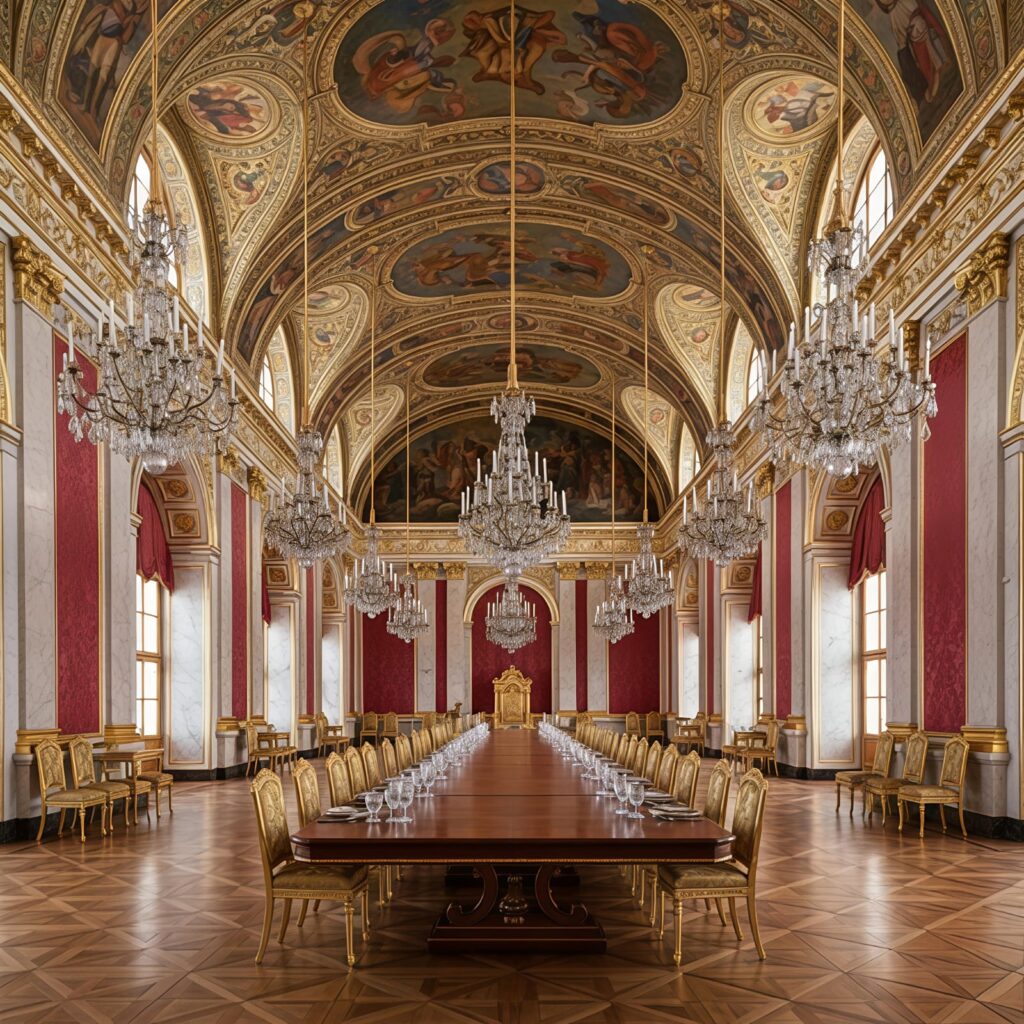
While the ceremonial halls project power, the private apartments reveal the human side of the tsars. These rooms are surprisingly intimate. In fact, they offer a stark contrast to the public spaces.
The Empress’s Study: This room features delicate wood carvings. Additionally, silk tapestries line the walls.
The Dining Room: Here, the imperial family gathered away from prying eyes.
The Bedroom: Notice the intricate parquet floors. They are made from over 20 types of exotic wood.
Furthermore, these private spaces highlight the incredible craftsmanship of Russian artisans. Every door handle tells a story. Similarly, every ceiling mural reflects meticulous labor. Consequently, the detail is staggering.
5. Navigating the Exclusivity: How to Visit
Actually entering the palace is notoriously difficult. Unlike the Kremlin museums, this building is not open for walk-in tourists. Instead, it requires careful planning.
Step-by-Step Guide
Plan Months in Advance: Tours usually require booking at least 12 weeks ahead.
Use Authorized Agencies: Only a few agencies have security clearance. Therefore, you must choose carefully.
Prepare for Security: You must provide passport details. Also, expect a background check.
Follow the Dress Code: Avoid shorts or athletic wear. Treat your visit as a formal occasion.
In contrast to other landmarks, this site requires patience. However, the reward is unparalleled. Once inside, you will see why the security is so tight.
6. The Terem Palace: The Ancient Heart
One of the most fascinating aspects is how the palace wraps around older structures. The Terem Palace, built in the 17th century, is now part of the complex. Consequently, it represents the heart of the site.
What Makes it Unique?
Russian Baroque Style: It features colorful, fairytale-like decorations. This contrasts with the neoclassical vibe of the newer sections.
Tsar’s Golden Chamber: This is where early tsars held secret meetings.
Preservation: Because it is enclosed, it has been perfectly protected.
Therefore, a tour is essentially a time-travel experience. You start in the 19th-century halls. Then, you end up in the 17th-century chambers. This transition is truly remarkable.
7. Restoration and Preservation Efforts
Maintaining the palace is a gargantuan task. Since it hosts high-profile events, it must always look pristine. Furthermore, the history must be protected.
Modern Challenges
Lighting: Engineers recently updated the lighting to LED systems. These mimic candlelight without damaging the art.
Gold Leafing: Experts periodically re-gild the ornaments. As a result, they shine during televised broadcasts.
Structural Integrity: Heavy traffic during state visits means the floors require constant attention.
The restoration in the 1990s was one of the largest projects of its kind. Craftsmen used original sketches from Konstantin Thon. Consequently, every detail remains historically accurate. Moreover, the work continues today.
8. Insider Tips for Your Moscow Experience
If you manage to secure a spot, you need to make the most of it. Many visitors feel overwhelmed by the scale. Therefore, focus is necessary.
Practical Advice
Look Up: The ceilings are often more impressive than the walls.
Ask About the Clocks: The palace houses a collection of 19th-century clocks. Surprisingly, many still function.
Photography Rules: Photography is strictly limited in certain zones. Always ask before clicking.
The View: Look out from the upper floors. You will see a unique perspective of the Moscow River.
In contrast to the busy streets, the atmosphere inside is quiet. Respecting the silence allows you to absorb the majesty. Thus, your experience will be much richer.
9. The Grand Kremlin Palace vs. Other World Palaces
How does this site compare to Versailles or Buckingham Palace? While all are impressive, this palace offers a unique blend. It combines religious, military, and political significance.
| Feature | Grand Kremlin Palace | Versailles | Buckingham Palace |
| Primary Style | Russo-Byzantine | French Baroque | Neoclassical |
| Oldest Section | 15th Century | 17th Century | 18th Century |
| Active Gov? | Yes | No (Museum) | Yes |
Consequently, the Kremlin feels more “alive” than many European palaces. When you walk through these halls, you stand where history is being made. Therefore, it is a living monument.
10. The Enduring Legacy
The palace survived revolutions and wars. It also survived the fall of empires. Despite these upheavals, it remained the heart of the nation. It reflects the resilience of the Russian spirit. Furthermore, the building continues to evolve.
Why You Should Care
Understanding the palace is essential for understanding Russia. It represents the desire for order and beauty. If you want to grasp Russian identity, you must look here. Consequently, the palace is a key to the past and the future.
While it respects tsarist roots, it now incorporates modern technology. This facilitates global diplomacy. Therefore, the palace is not just a relic. It is a functioning machine of statehood.
Conclusion: The Unforgettable Experience
In summary, the Grand Kremlin Palace stands as a pinnacle of culture. From Thon’s genius to the sacred halls, it offers a deep look into a superpower. Although it remains difficult to visit, the effort pays off.
You will walk away with a newfound appreciation for history. Additionally, you will have a memory that lasts a lifetime. The palace isn’t just a building. Instead, it is the grandest stage in the world. Consequently, every traveller should aim to learn its secrets. Whether through a tour or study, the palace never fails to inspire.

About the Author