
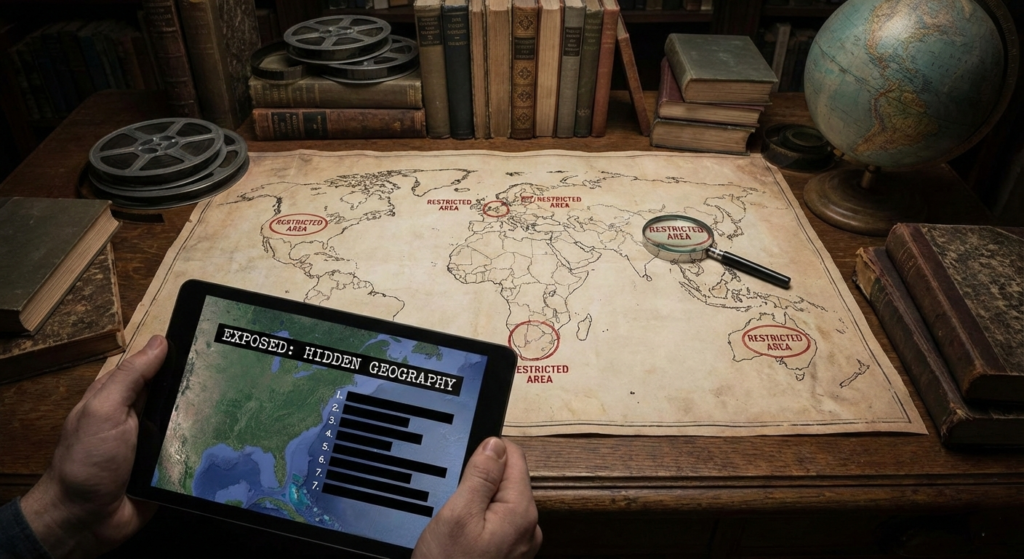
Many travelers love a good mystery. Consequently, they look for places that the world has tried to hide. Today, a new trend is rising called Hidden Geography: The “Forbidden” Nuclear Tourism Sites. These places are not your typical vacation spots. Instead, they are locations where history, science, and danger meet. While most people want to see sunny beaches, some explorers want to see the ruins of the Atomic Age.
Why Do We Visit These Places?
Actually, humans have always been curious about the unknown. Because these sites were once top-secret, they pull people in like a magnet. Furthermore, seeing Hidden Geography: The “Forbidden” Nuclear Tourism Sites helps us understand the past. We can see the big mistakes and the great power of human invention. Therefore, visiting these zones is about more than just a thrill. It is about learning a lesson that we must never forget.
The Basics of Radiation
Before you go, you must understand the science. Radiation is invisible energy. However, it is very real. When we talk about Hidden Geography: The “Forbidden” Nuclear Tourism Sites, we talk about “ionizing” radiation. This kind of energy can change your cells. But don’t worry. If you follow the rules, you can stay safe.
Specifically, we measure radiation in a unit called “Sieverts.” Most of these sites have low levels now. Consequently, a short visit is often safer than getting a medical X-ray. Nevertheless, you must always respect the warnings. If a guide tells you to move, you should move fast.
1. Chernobyl: The Most Famous Ghost Town
Undoubtedly, Chernobyl is the king of Hidden Geography: The “Forbidden” Nuclear Tourism Sites. In 1986, a reactor in Ukraine exploded. This event changed the world forever. Today, the “Exclusion Zone” is a massive park of ruins.
The Eerie Silence of Pripyat
Initially, Pripyat was a happy city for workers. But now, it is a silent forest of concrete. For example, you can see a Ferris wheel that never gave a ride. Also, you can find classrooms with books still on the desks. Consequently, the city feels like a movie set. But this is not a movie. This is real life that just stopped one day.
Furthermore, nature is taking the city back. Trees grow through the floors of buildings. Therefore, you see a mix of human failure and nature’s strength. This is the heart of Hidden Geography: The “Forbidden” Nuclear Tourism Sites.
The Giant Metal Arch
In contrast to the ruins, there is a shiny new structure. It is called the New Safe Confinement. This arch is huge. It covers the old reactor to keep the dust inside. Thus, you can see how humans are still working to fix the 1986 mistake. It is a powerful sight to see in person.
2. Fukushima: Japan’s Silent Zone
In 2011, a giant wave hit a power plant in Japan. This created another famous spot for Hidden Geography: The “Forbidden” Nuclear Tourism Sites. Unlike Chernobyl, this site looks very modern. You can see 21st-century cars and shops.
The Ghostly Supermarkets
Because the evacuation was fast, many things were left behind. For instance, you can see food boxes and toys on store shelves. However, everything is covered in thick dust. Consequently, it looks like a scene from a science fiction story. But the sadness here is very fresh. Many people still hope to go home one day.
The Cleanup Effort
Moreover, Japan is working very hard to clean the area. You will see thousands of black bags filled with dirt. Therefore, the landscape looks like a giant puzzle. Visiting this part of Hidden Geography: The “Forbidden” Nuclear Tourism Sites shows you how much work it takes to heal the land.
3. The Polygon: The Secret Desert of Kazakhstan
Deep in the desert of Kazakhstan, there is a place called the Polygon. This was the main testing ground for the Soviet Union. Between 1949 and 1989, they set off 456 nuclear bombs here. Consequently, the ground is full of craters.
The Atomic Lake
Specifically, one blast was used to make a lake. They called it the “Atomic Lake.” Although it looks like a normal lake, the water is still radioactive. Furthermore, the land around it is very empty. There are no birds or trees. Thus, it feels like you are on another planet. This is a very rare part of Hidden Geography: The “Forbidden” Nuclear Tourism Sites.
The Concrete Mushrooms
In addition, you can see strange concrete towers. The scientists built them to see how a bomb would knock them down. Some are still standing, but they are twisted and burnt. Therefore, these towers are like statues of the Cold War. They tell a story of a time when the world was very afraid.
4. Bikini Atoll: The Radioactive Paradise
Usually, we think of radioactive sites as grey and cold. However, Bikini Atoll is a tropical island with blue water. But don’t let the beauty fool you. It is a key part of Hidden Geography: The “Forbidden” Nuclear Tourism Sites.
The Sunken Ships
The U.S. Navy sank many big ships here during bomb tests. Now, these ships sit at the bottom of the ocean. For example, there is a famous aircraft carrier called the USS Saratoga. Consequently, divers from all over the world come here to see the “Ghost Fleet.”
Why You Can’t Stay
But you cannot live on the island. The soil has “Cesium” in it. If you eat the coconuts or the crabs, you could get sick. Therefore, tourists stay on a boat and only visit the land for a short time. This makes Bikini Atoll a very strange paradise. It is beautiful, but it is also “forbidden.”
5. Maralinga: The Glass Desert of Australia
In the 1950s, the British government tested bombs in the Australian outback. This place is called Maralinga. Today, it is a significant stop for Hidden Geography: The “Forbidden” Nuclear Tourism Sites.
Ground Turned to Glass
Because the bombs were so hot, they melted the sand. This turned the desert into green glass. Specifically, you can still find small bits of this “nuclear glass” on the ground. However, you must never take it home. Furthermore, the local people—the Anangu—now lead the tours. They tell the story of how the tests hurt their land and their families.
A Path to Healing
Consequently, a visit to Maralinga is very emotional. You learn about the science, but you also learn about the people. This is a vital part of Hidden Geography: The “Forbidden” Nuclear Tourism Sites. It reminds us that every “forbidden” place was once someone’s home.
6. The Nevada Test Site: America’s Backyard
Not far from the bright lights of Las Vegas is the Nevada Test Site. This is where the U.S. tested most of its bombs. It is a huge area filled with history and big holes in the ground.
The Sedan Crater
The most famous spot is the Sedan Crater. It is so big that you can see it from space. Initially, the government wanted to see if bombs could be used to dig canals. However, the dust was too dangerous. Therefore, they stopped the program. Now, you can stand on the edge of the crater and feel very small.
The Doom Towns
In addition, you can see “Doom Towns.” These are fake houses that were built to see what a bomb would do to a normal home. Consequently, you see broken chimneys and burnt walls. It looks like a ghost town from a nightmare. But it is a very popular part of Hidden Geography: The “Forbidden” Nuclear Tourism Sites.
7. Mayak: The Hidden Russian Secret
For a long time, the world did not know about Mayak. This was a secret factory in Russia that made nuclear fuel. But there were many accidents. Consequently, the area became one of the most polluted places on Earth.
The Techa River
Specifically, the factory threw waste into the local river. People lived by the river and used the water. Therefore, many people got sick. Today, the river is still “forbidden.” You cannot swim or fish there. This is a very dark side of Hidden Geography: The “Forbidden” Nuclear Tourism Sites. It shows what happens when secrets are kept for too long.
The Secret City of Ozersk
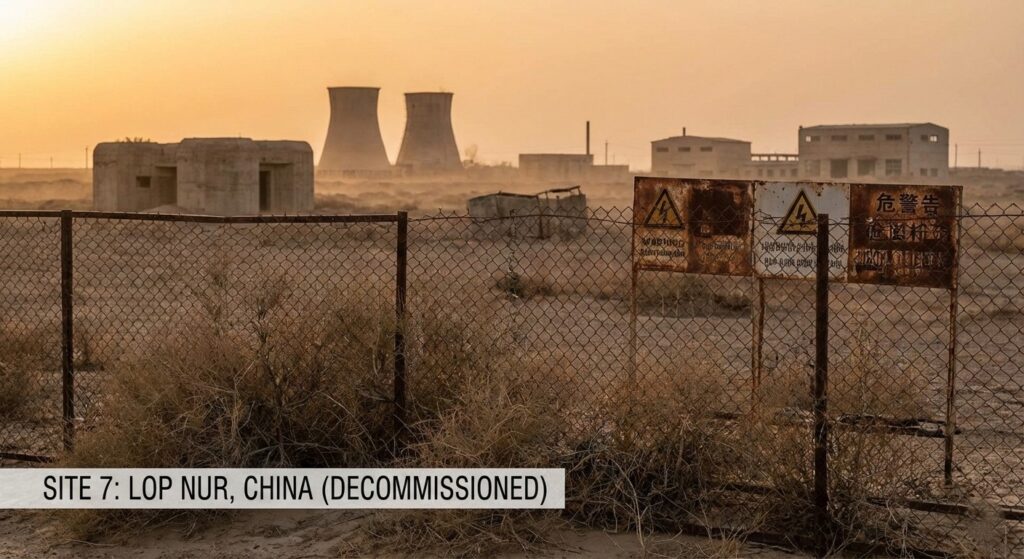
The city next to the factory is still closed to most people. You need a special permit to go inside. Thus, it remains a true “hidden” geography. Most tourists can only see the edges of this zone. But even from the outside, the history is chilling.
How to Stay Safe on Your Trip
You might think that visiting Hidden Geography: The “Forbidden” Nuclear Tourism Sites is too dangerous. But if you follow these simple steps, you will be fine.
1. Always Use a Guide
Never go alone. A professional guide knows where the “hot spots” are. They carry a tool called a Geiger counter. This tool makes a clicking sound when radiation is near. Therefore, the guide is your best friend in a forbidden zone.
2. Cover Your Skin
Wear long sleeves and long pants. Also, wear sturdy shoes. This stops radioactive dust from getting on your skin. Furthermore, don’t sit on the ground or touch the walls. If you keep the dust off you, you stay safe.
3. Don’t Eat the Local Food
In these zones, the plants and animals can be radioactive. Consequently, you should bring your own food and water. For example, don’t pick a wild apple in Chernobyl. It might look tasty, but it could be “hot.”
4. Wash Everything
When you leave, wash your clothes and your shoes. Most sites have a scanner at the exit. Thus, they make sure you aren’t “glowing” before you go back to your hotel.
The Gear You Need
To explore Hidden Geography: The “Forbidden” Nuclear Tourism Sites, you need the right tools. Here is a simple list:
A Geiger Counter: This is a device that counts radiation. It is fun to watch the numbers change as you walk.
Good Boots: You will be walking on broken glass and rocks. Therefore, you need strong shoes.
A Face Mask: If it is windy, a mask keeps you from breathing in dust.
A Camera: You will want to take many photos of the ruins. But remember to be respectful!
Is Nuclear Tourism Ethical?
Some people ask if it is “bad” to visit these places. They think it is sad to look at disasters. However, there are two sides to this story.
Learning from Mistakes
Firstly, we must learn from history. If we hide these sites, we might repeat the same errors. Therefore, Hidden Geography: The “Forbidden” Nuclear Tourism Sites are like outdoor museums. They teach us to be careful with technology.
Helping the Locals
Secondly, tourism brings money to these regions. Many of these places are very poor. Consequently, when you hire a local guide, you are helping their family. Thus, your visit can be a good thing for the community.
Being Respectful
Admittedly, some people are disrespectful. They take silly photos or steal things. You must not do this. Instead, be quiet and remember the people who suffered. If you do that, your visit to Hidden Geography: The “Forbidden” Nuclear Tourism Sites is a good thing.
The Future of These Sites
As years go by, the radiation levels go down. Consequently, more of these sites will open to the public.
From Forbidden to Famous
For example, Chernobyl used to be totally closed. Now, thousands of people visit every year. In the future, maybe Fukushima will be the same. Therefore, the “forbidden” tag is slowly disappearing. These places are becoming a part of our shared human history.
Nature’s Comeback
Also, we are seeing that nature is very strong. In many of these zones, animals are thriving. Wolves, horses, and birds have moved in. Consequently, Hidden Geography: The “Forbidden” Nuclear Tourism Sites are becoming nature reserves. This is a happy ending to a very sad story.
Summary of the Top 5 Sites
| Site | Location | Why Visit? | Safety Level |
| Chernobyl | Ukraine | The ultimate ghost city. | Safe with a guide. |
| Fukushima | Japan | A modern look at disaster. | Safe in open zones. |
| The Polygon | Kazakhstan | See the “Atomic Lake.” | High risk, be careful. |
| Bikini Atoll | Marshall Is. | Diving on nuclear ships. | Safe for short stays. |
| Nevada Site | USA | Huge craters and “Doom Towns.” | Very safe tours. |
How to Book Your Adventure
If you are ready to see Hidden Geography: The “Forbidden” Nuclear Tourism Sites, you need to plan ahead. Most of these tours sell out months in advance.
Step 1: Pick Your Site
Do you want to see a city (Chernobyl) or a desert (Nevada)? Decide what kind of explorer you are.
Step 2: Get Your Permits
You can’t just show up. For example, you need a special pass to enter the Nevada site. Your tour company will usually help with this.
Step 3: Pack Your Bags
Remember the “long sleeves” rule! Also, bring a good spirit of adventure and respect.
Conclusion: The Beauty in the Breakdown
In summary, Hidden Geography: The “Forbidden” Nuclear Tourism Sites offer a trip like no other. They are not easy places to visit. They are dusty, quiet, and sometimes a little scary. But they are also beautiful in their own way.
By visiting these ruins, we see the true face of our history. We see the power we have to change the world—for better or for worse. Furthermore, we see how the earth heals itself over time. Whether it is the green glass of Maralinga or the blue water of Bikini Atoll, these sites stay in your heart forever.
Ultimately, the “forbidden” parts of our world are often the ones that teach us the most. Consequently, don’t be afraid of the Geiger counter’s click. Instead, listen to the story it is trying to tell you. These sites are waiting to show you the hidden truth of our nuclear age.
About the Author



Hi